Desfort Ransom: A Strategic Guide to Bold Typography
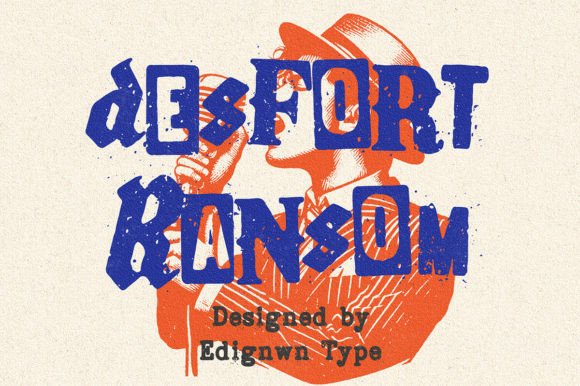
In the crowded landscape of digital and print design, the choice of typeface is rarely just an aesthetic decision; it is a strategic signal. Desfort Ransom stands out as a deliberate departure from the clean, corporate sans-serifs that dominate modern branding. It is a bold and rustic font designed for ransom notes, characterized by its rugged style and jagged edges. While its name evokes a sense of urgency and danger, its application in professional contexts requires a nuanced understanding of visual psychology. For entrepreneurs, marketers, and creators aiming to disrupt a market or establish a distinct identity, Desfort Ransom offers a powerful tool—but only when deployed with precision and intent.
The Psychology of Disruption in Branding
Why would a business owner choose a font associated with chaos? The answer lies in the concept of differentiation. In industries where conformity is the norm, such as finance or healthcare, a standard typeface builds trust through familiarity. However, in sectors like rock and metal music, extreme sports, or avant-garde fashion, familiarity can be a liability. Here, the goal is not just to be seen but to be felt. Desfort Ransom achieves this by mimicking the look of cut-out letters from old newspapers, creating a tactile, handmade quality that feels raw and unpolished.
This aesthetic triggers an immediate emotional response. It suggests rebellion, authenticity, and a refusal to adhere to conventional rules. When used strategically, this font does more than decorate text; it positions a brand as an outsider looking in, challenging the status quo. For a musician releasing an album cover or a festival organizer designing promotional materials, this rebellious look aligns perfectly with the core values of their audience. It signals that what follows is not safe, sanitized content, but something visceral and real.
Aligning Visual Tone with Audience Expectations
The effectiveness of Desfort Ransom depends entirely on the alignment between the visual tone and the target audience's expectations. If your audience consists of conservative investors seeking stability, this font will likely induce anxiety rather than excitement. Conversely, if you are targeting a demographic aged 20–40 that values individuality and edgy aesthetics, the font becomes a bridge to their identity. It validates their preference for the unconventional.
Consider the context of a marketing campaign for a new energy drink or a limited-edition streetwear line. These products often rely on hype and exclusivity. Using a standard, legible font might make the product appear generic. By integrating Desfort Ransom into headlines or key visual elements, you create a sense of mystery and urgency. The "ransom note" aesthetic implies that the message is urgent, perhaps even illicit, which can drive curiosity and engagement. This is not about being confusing; it is about leveraging the psychological impact of irregularity to capture attention in a split second.
Strategic Deployment: Where and How to Use It
While the visual impact of Desfort Ransom is undeniable, its utility is limited to specific applications. Treating it as a body text font is a strategic error that undermines readability and user experience. Instead, it should be viewed as an accent element—a punchy headline or a logo mark that anchors a design.
- Headlines and Titles: Use the font for short, impactful phrases where the mood matters more than rapid reading. A concert poster title or a blog post header about "Breaking Industry Rules" benefits from this rugged style.
- Logo Design: For brands built on a foundation of disruption, a logo incorporating Desfort Ransom can serve as a permanent reminder of the brand's ethos. It works well for bands, tattoo parlors, and underground collectives.
- Event Marketing: Flyers, tickets, and social media graphics for events that promise high energy or counter-culture experiences can leverage the font to set the stage immediately.
When planning your design workflow, consider the hierarchy of information. The primary goal of any communication is clarity. If the audience cannot read the message because the font is too stylized, the strategy fails. Therefore, pair Desfort Ransom with a highly legible, neutral typeface for body copy. This contrast creates a dynamic tension: the headline grabs attention with its chaotic energy, while the supporting text provides the necessary information in a clear, accessible format. This balance ensures that the design remains functional while still delivering the desired emotional punch.
Operational Considerations for Digital and Print
From an operational standpoint, the implementation of Desfort Ransom requires careful testing across different mediums. In print, the texture of the paper can enhance the rustic feel of the font, making the "cut-out" effect more pronounced. On digital screens, however, the jagged edges can sometimes render poorly at small sizes, leading to pixelation or blurring. Decision-makers must ensure that the font remains crisp on mobile devices, where a significant portion of the audience will encounter the design.
Furthermore, accessibility is a critical factor. Users with visual impairments may struggle to decipher the irregular letterforms of Desfort Ransom. While the font serves a stylistic purpose, it should never be used for essential instructions, safety warnings, or legal disclaimers. Strategic use means knowing when to hold back. If the content is vital for comprehension, prioritize clarity over style. This approach demonstrates respect for the user and maintains the integrity of the brand's communication goals.
Risks of Unintentional Usage
The greatest risk associated with Desfort Ransom is its potential to miscommunicate. Because the font is so strongly associated with crime and distress, using it without a clear strategic rationale can alienate customers. A bakery or a law firm using this typeface might inadvertently suggest instability or unprofessionalism. The "edgy and rebellious look" is a double-edged sword; it cuts through the noise but can also cut off trust if applied in the wrong context.
Another pitfall is overuse. Just as a loud noise loses its impact after repeated exposure, a font that screams for attention can become background noise if it is everywhere. If every headline, button, and caption uses Desfort Ransom, the design becomes fatiguing rather than exciting. The font loses its power to distinguish the brand because it no longer offers a unique visual break from the norm. Strategic restraint is key. Use the font sparingly to highlight moments of maximum impact, ensuring that its presence is always felt as a deliberate choice rather than a default setting.
Long-Term Brand Consistency
For long-term results, consistency in brand voice and visual identity is paramount. Desfort Ransom is a strong character, but it can be difficult to sustain in a brand that evolves. As a company grows, its messaging may need to mature, shifting from rebellious youth to established authority. A font that worked perfectly during the startup phase might feel juvenile or aggressive years later. Planners and creative directors should anticipate these shifts and have a flexible typography system in place. This might involve using Desfort Ransom for specific campaigns or sub-brands while maintaining a more versatile primary typeface for overall corporate communications.
Ultimately, the decision to use Desfort Ransom should be grounded in a clear understanding of the brand's current position and future trajectory. It is a tool for those who know exactly what they want to say and why they want to say it in a way that breaks the mold. When used with intention, it transforms a simple design element into a statement of identity, driving engagement and reinforcing the values of the brand. But when used randomly, it risks becoming a distraction that obscures the message rather than amplifying it.
Maximizing Impact Through Intentional Planning
To achieve better results with Desfort Ransom, integrate it into a broader creative strategy. Start by defining the core emotion you wish to evoke. Is it anger, excitement, defiance, or nostalgia? Once the emotional target is clear, map out where the font fits within the customer journey. Does it appear first on the landing page to grab attention? Or does it save itself for the final call-to-action to spur immediate movement?
Testing is essential. Before rolling out a campaign, gather feedback from a sample of your target audience. Ask them how the font makes them feel and whether it aligns with their perception of the brand. Their insights can reveal blind spots that internal teams might miss. If the feedback indicates confusion or negative associations, reconsider the approach. The goal is not just to be different, but to be different in a way that resonates positively with the intended audience.
In conclusion, Desfort Ransom is more than just a font for ransom notes; it is a vehicle for strategic expression. Its bold and rustic nature makes it ideal for rock and metal themes, but its potential extends to any sector where breaking conventions is part of the value proposition. By approaching its use with thoughtfulness, planning, and a focus on outcomes, designers and business leaders can harness its power to create memorable, impactful experiences. The key lies in balancing the edgy aesthetic with practical considerations, ensuring that the font serves the message rather than overshadowing it. With this disciplined approach, Desfort Ransom becomes a reliable asset in the pursuit of long-term brand success.