Evaluating Winter Minie: A Practical Guide for Designers
In the crowded landscape of display typography, finding a font that balances whimsy with professionalism is often a challenge. Winter Minie has emerged as a notable option in this space, offering a modern and cute aesthetic that appeals to a wide range of creative projects. For designers aged 20 to 50 who are tasked with creating posters, logos, magazines, or book covers, understanding where this typeface fits within their toolkit is essential. It is not merely about selecting a "cute" font; it is about evaluating whether the specific characteristics of Winter Minie align with the technical and aesthetic requirements of a given project.
Defining the Visual Identity of Winter Minie
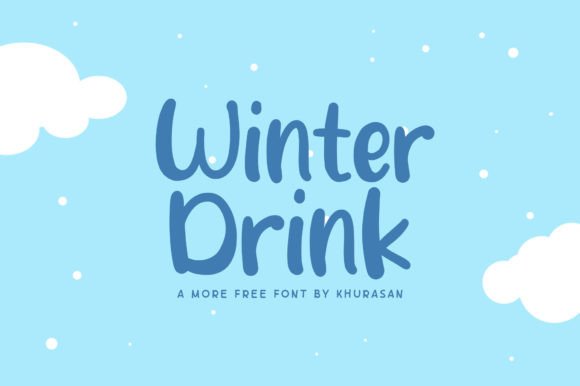
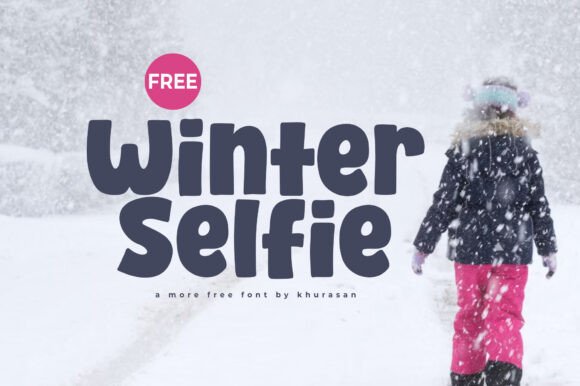
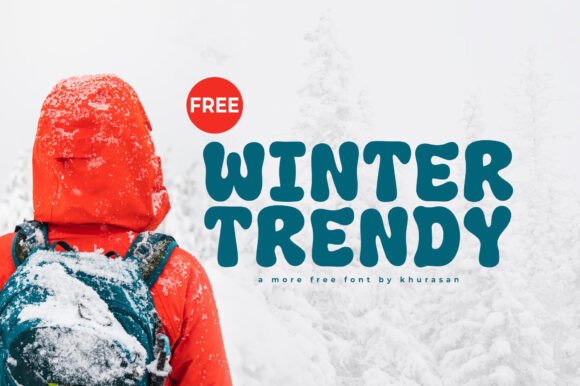
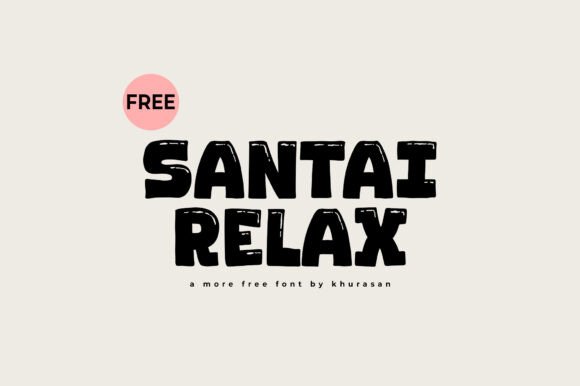
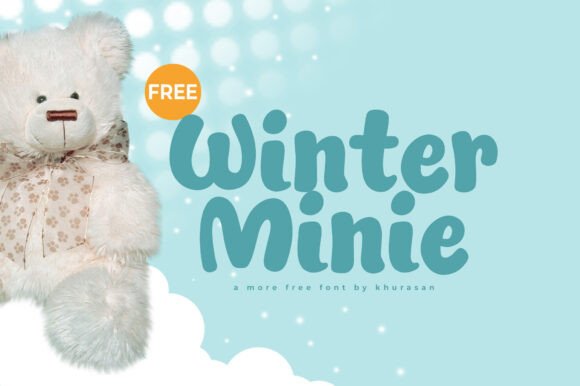
At its core, Winter Minie is a display font designed to capture attention while maintaining a sense of approachability. The term "display" is significant here, as it indicates that the typeface is intended for use at larger sizes rather than for body text. This distinction is crucial for anyone comparing options. Unlike serif or sans-serif fonts designed for readability in paragraphs, Winter Minie prioritizes character and style. Its distinctiveness lies in its rounded forms and playful proportions, which give it a soft, friendly appearance without appearing childish.
When analyzing the font's structure, one notices a deliberate departure from rigid geometric shapes. The curves are organic, suggesting warmth and creativity. This makes it particularly effective for projects that require an emotional connection with the audience. Whether used on a magazine cover to suggest a lighthearted article or on a banner to announce a community event, the font carries a tone that is inviting and modern. However, this stylistic choice comes with inherent limitations regarding legibility at small scales, a factor that must be weighed against its visual appeal.
Comparing Display Fonts: Winter Minie vs. Traditional Alternatives
To understand the value of Winter Minie, it is helpful to compare it with other categories of display typography. In the realm of "cute" or "playful" fonts, there is a spectrum ranging from highly decorative scripts to blocky, cartoonish styles. Many traditional alternatives in this category can feel dated or overly saturated with embellishments, such as excessive serifs, shadows, or textures built into the glyphs. These elements can make the font difficult to pair with other design elements or limit its versatility across different media.
Winter Minie distinguishes itself by adopting a cleaner, more contemporary approach. While it retains the charm associated with the genre, it avoids the clutter that often plagues similar options. When compared to a standard handwritten script, Winter Minie offers greater consistency in stroke width and spacing, making it easier to use in logo design where balance is key. Conversely, when compared to a bold, industrial sans-serif, it lacks the authoritative weight required for corporate branding but excels in sectors requiring warmth, such as lifestyle, children's education, or seasonal marketing.
Another critical comparison involves the availability of ligatures and alternate characters. Some display fonts rely heavily on complex alternates to maintain interest, which can complicate the design process if the user is not familiar with advanced OpenType features. Winter Minie tends to focus on a cohesive set of characters that work well together out of the box, reducing the cognitive load on the designer. This practicality is a significant advantage for professionals who need to deliver high-quality results efficiently without spending excessive time tweaking individual glyphs.
Practical Applications and Best-Fit Scenarios
The versatility of Winter Minie is one of its strongest selling points, yet it is most effective when applied to specific use cases. As noted in its primary description, it is ideal for posters, logos, magazines, book covers, and banners. Let us examine why these applications are particularly suitable and where the font might struggle.
- Posters and Banners: Large-format print and digital displays benefit immensely from the font's bold presence. The rounded edges catch the eye from a distance, and the modern styling ensures the message feels current rather than retro.
- Logos: For brands targeting a younger demographic or those in the creative industries, Winter Minie provides a memorable mark. Its unique shape helps a brand stand out in a sea of generic sans-serifs.
- Book Covers and Magazines: Titles and headlines in these formats require a font that sets the mood immediately. Winter Minie suggests stories that are engaging, fun, or heartwarming, making it a strong candidate for fiction, lifestyle, or hobbyist publications.
However, it is important to recognize situations where Winter Minie may not be the right choice. Because it is a display font, using it for long-form text, such as website body copy, articles, or legal disclaimers, would result in poor readability. The irregular spacing and stylized letterforms can cause eye strain when read in large blocks. In these scenarios, a neutral sans-serif or a classic serif font would be a more appropriate alternative. Additionally, for brands that need to convey strict authority, security, or medical precision, the playful nature of Winter Minie could undermine the desired message.
Design Pairing and Versatility
A common concern when evaluating a distinctive font like Winter Minie is how well it integrates with other design elements. One of the font's strengths is its ability to match with an incredibly large set of projects. This is largely due to its relatively clean silhouette, which allows it to sit comfortably alongside more structured typefaces. For example, pairing Winter Minie for headlines with a simple, geometric sans-serif for subheads creates a dynamic contrast that enhances overall hierarchy.
Color also plays a role in maximizing the font's potential. While it works well in monochrome, the rounded shapes of Winter Minie can be enhanced with gradients or vibrant color palettes, making it a favorite for seasonal campaigns, particularly those related to winter holidays or spring themes. The name itself hints at a cool, crisp aesthetic, but the design is warm enough to transcend specific seasons, allowing for year-round usage in various contexts.
Weighing Strengths, Tradeoffs, and Decision Factors
Before committing to Winter Minie for a project, designers should consider the tradeoffs involved. The primary strength is undoubtedly its ability to evoke emotion and create a strong visual identity quickly. It stands out in a way that generic fonts cannot, helping designs pop on social media feeds or physical shelves. However, this distinctiveness comes with the tradeoff of reduced neutrality. Once a font becomes too associated with a specific vibe, it loses flexibility for unrelated projects.
Licensing and availability are also practical decision factors. As with many independent or niche fonts, users must verify the licensing terms to ensure they align with their intended use, whether for commercial products, personal portfolios, or client work. Some display fonts come with restricted licenses that prevent use in merchandise or large-scale advertising, so due diligence is necessary.
Furthermore, the learning curve for using display fonts effectively should not be underestimated. While Winter Minie is user-friendly, achieving professional results requires an understanding of kerning and leading. The rounded shapes can sometimes create optical illusions of uneven spacing, requiring manual adjustment to ensure the text looks balanced. Designers accustomed to working strictly with grid-based systems may need to adapt their workflow to accommodate the fluid nature of this typeface.
Conclusion: Making an Informed Choice
Winter Minie represents a solid option for designers seeking a modern, cute display font that can elevate posters, logos, and editorial designs. Its ability to blend playfulness with a contemporary aesthetic makes it a valuable asset in a diverse portfolio. However, it is not a universal solution. Its effectiveness is contingent upon the specific goals of the project and the context in which it will be viewed.
For adults evaluating resources for their creative work, the decision should hinge on whether the project requires a touch of personality and warmth. If the goal is to create lovely designs that stand out and connect emotionally with an audience, Winter Minie is a compelling choice. If the priority is strict legibility, formal authority, or extensive body text, exploring other typographic categories would be more prudent. By understanding these nuances, designers can add Winter Minie to their creative ideas with confidence, ensuring it serves the project's needs rather than simply adding decoration.