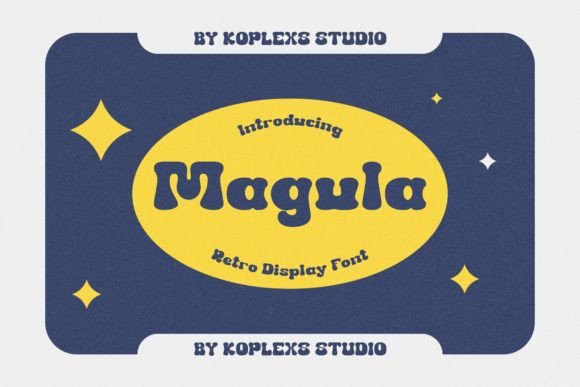
Magula: The Retro Groovy Font Reviving 60s and 70s Design
In an era where digital interfaces often lean towards sterile minimalism, there is a growing hunger for warmth, character, and nostalgia. This shift in aesthetic preference has brought Magula to the forefront of contemporary typography. Magula is not merely a font; it is a design tool that captures the essence of the psychedelic and groovy eras of the 1960s and 1970s while remaining functional for modern applications. By combining curvy, playful letterforms with clean, modern structural elements, Magula offers creators a unique way to inject personality into their projects without sacrificing readability or professional appeal.
The resurgence of vintage aesthetics is more than just a fleeting trend; it reflects a deeper cultural desire for authenticity and human connection in a hyper-digital world. As designers, marketers, and business owners navigate this landscape, tools like Magula provide a bridge between the past's artistic freedom and today's technical requirements. Whether you are branding a boutique coffee shop, designing a flyer for a music festival, or updating a website to stand out in a crowded market, understanding how to leverage this retro groovy font can significantly elevate your visual communication.
The Evolution of Retro Typography in Modern Workflows
Typography trends have always been cyclical, but the current revival of mid-century styles feels particularly potent. For decades, the "groovy" look was associated strictly with specific historical contexts—album covers, concert posters, and counterculture movements. Today, however, these styles have evolved to fit seamlessly into sleek, responsive web designs and mobile-first marketing campaigns. Magula represents this evolution perfectly. It retains the organic, flowing curves characteristic of the 60s and 70s but refines them for high-resolution screens and varied print mediums.
This evolution is driven by changing user expectations. Audiences aged 20 to 50, who grew up with both analog media and the early internet, possess a distinct appreciation for nostalgia. They recognize the visual language of the past but expect it to perform with modern efficiency. A font that looks like a scanned photocopy from 1972 might evoke emotion, but it often fails in usability. Magula solves this dilemma by offering the emotional resonance of vintage typography with the legibility required for today's fast-paced information consumption.
Furthermore, the integration of such fonts into modern workflows has become effortless. With the rise of cloud-based design tools and collaborative platforms, assets like Magula can be shared instantly across teams. This accessibility means that small businesses and freelancers can access high-quality, distinctive typography that was once reserved for major agencies with extensive type libraries. The ability to quickly prototype a logo or a social media graphic using a font that immediately conveys a "vibe" saves time and resources, allowing creators to focus on strategy and content rather than getting bogged down in generic sans-serif defaults.
Why Magula Stands Out in a Saturated Market
When exploring the vast library of available typefaces, many fall into the trap of being either too literal in their retro imitation or too abstract to be useful. Magula distinguishes itself by striking a delicate balance. Its letterforms are undeniably inspired by vintage styles, featuring the soft edges and fluid lines that define the groovy era. However, the internal spacing and stroke weights are optimized for clarity. This makes it an ideal choice for headlines that need to grab attention from a distance, as well as body copy in smaller formats where readability is paramount.
The versatility of Magula extends beyond its visual style. In a market saturated with flat, geometric fonts, the organic nature of Magula creates immediate visual interest. It breaks the monotony of standard corporate communications and adds a layer of storytelling to the brand identity. For instance, a tech startup looking to appear approachable and human-centric might use Magula for their blog headers to soften their image. Conversely, a lifestyle brand focused on sustainability and natural products might find the font's earthy, handcrafted feel aligns perfectly with their values.
Moreover, the font's adaptability allows it to work across various color palettes and textures. While it shines in bold, vibrant colors reminiscent of the psychedelic era, it also holds its own in monochrome or muted tones, making it suitable for sophisticated editorial layouts or minimalist packaging. This flexibility ensures that Magula remains relevant regardless of shifting color trends, providing a stable foundation for long-term branding strategies.
Practical Applications for Creative Projects
The true value of a typeface lies in its application. Magula is designed to be a workhorse for a wide array of creative projects. Here are some realistic scenarios where this font excels:
- Event Marketing and Invitations: Music festivals, art exhibitions, and themed parties thrive on atmosphere. Using Magula for event posters and invitations immediately sets the tone, promising attendees an experience that is fun, nostalgic, and culturally rich. The playful nature of the font invites engagement and suggests a relaxed, enjoyable environment.
- Branding and Logos: For businesses in the hospitality, fashion, or entertainment sectors, a logo needs to communicate personality instantly. Magula's unique curves make it memorable, helping brands stand out on storefronts, business cards, and social media profiles. It works particularly well for cafes, vintage clothing stores, and artisanal product lines.
- Web Design and UI Elements: On the web, typography plays a crucial role in user experience. Magula can be used effectively for hero section headlines, call-to-action buttons, and navigation menus. Its strong presence guides the user's eye without overwhelming the content, creating a dynamic yet navigable interface.
- Packaging and Product Labels: In the retail space, shelf presence is critical. Packaging that utilizes Magula can convey a sense of craftsmanship and heritage. It is perfect for labels on craft beverages, gourmet foods, or home decor items that aim to evoke a sense of timeless quality.
Strategic Implementation for Business Growth
For entrepreneurs and business owners, choosing the right typography is a strategic decision that impacts brand perception and customer engagement. Incorporating Magula into your visual identity is not just about aesthetics; it is about aligning your brand with specific consumer emotions. The 60s and 70s were periods of significant social change, creativity, and self-expression. By leveraging a font that echoes this era, businesses can tap into these positive associations, positioning themselves as innovative, authentic, and connected to their community.
However, successful implementation requires restraint. While Magula is powerful, overusing it can dilute its impact. It is best employed as a display font for headlines and key messaging, paired with a neutral, highly readable sans-serif for longer text blocks. This combination ensures that the retro vibe enhances the message rather than distracting from it. Additionally, consistency is key. Once Magula is adopted as part of the brand voice, it should be applied uniformly across all touchpoints, from the website to physical signage, to build a cohesive and recognizable identity.
Consider the case of a local cafe aiming to differentiate itself from national chains. By using Magula for its menu boards, window decals, and loyalty cards, the cafe can create a warm, inviting atmosphere that feels curated and personal. This attention to detail signals to customers that the business cares about the experience they offer, fostering loyalty and word-of-mouth promotion. Similarly, a freelance designer specializing in wedding planning could use Magula to create proposals and portfolios that exude romance and vintage charm, appealing directly to couples seeking a non-traditional wedding theme.
Future-Proofing Your Design Strategy
As we look toward the future of design, the line between retro and modern will continue to blur. Consumers will increasingly seek out brands that offer a sense of history and continuity amidst rapid technological change. Fonts like Magula, which honor the past while embracing modern functionality, are well-positioned to remain relevant. They serve as a reminder that design is not just about what is new, but about what resonates emotionally with people.
The adaptability of digital tools also means that the usage of such fonts will expand into new territories, including augmented reality experiences and interactive installations. Imagine a pop-up shop where signage changes dynamically, utilizing the fluid shapes of Magula to react to customer movement. Or consider educational platforms using the font to make learning materials more engaging for adult learners who appreciate a nostalgic touch. The possibilities are limited only by imagination, but the foundation remains the same: a commitment to quality, character, and meaningful communication.
Ultimately, the decision to use Magula is a statement of intent. It declares that your project values creativity, history, and human connection. In a world of algorithms and automation, bringing a touch of the groovy, the curvy, and the playful back into our visual landscape is not just a stylistic choice—it is a necessary step toward creating designs that truly matter. Whether you are a seasoned professional or a hobbyist starting your first project, integrating this retro groovy font can transform your work from ordinary to extraordinary, ensuring that your message is not just seen, but felt.