Integrating Heroes Comic into Your Creative Workflow
In the landscape of digital design, typography often serves as the silent narrator of a brand's story. While many professionals default to safe, neutral sans-serifs for body text, there is a distinct opportunity to inject personality and energy through display typefaces. Heroes Comic represents a specific category of font that bridges the gap between playful animation and refined sophistication. It is not merely a decorative element; it is a strategic asset that can elevate user engagement, clarify messaging, and define the tone of a project before a single pixel of imagery is placed.
For designers, marketers, and content creators aged 20 to 50, the decision to use a lively cartoon display typeface requires more than just an aesthetic preference. It demands an understanding of how such a font fits into the broader production process. From the initial concept phase to final export, Heroes Comic offers a unique set of characteristics that can streamline communication when applied correctly. This guide explores the practical integration of this jovial typeface into professional workflows, focusing on usability, compatibility, and long-term brand consistency.
Defining the Role of Heroes Comic in Design Systems
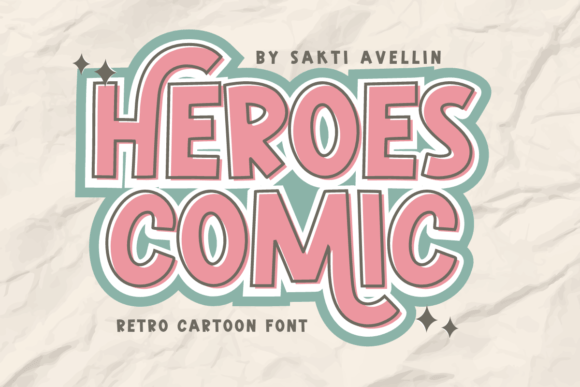
To utilize Heroes Comic effectively, one must first understand its structural identity. It is described as a jovial and lively cartoon display typeface that oozes charisma and delight. What sets it apart from generic comic fonts is its inventive mingling of captivating uppercase charm and refined lowercase elegance. This duality allows it to function within a wider range of contexts than traditional bubble letters or slapstick typography.
In a design system, fonts are categorized by their function: headers, subheaders, body copy, and accents. Heroes Comic is primarily a display font, meaning it excels in large sizes where its distinctive pop and whimsical details are most visible. Its role is to capture attention immediately. When planning a layout, consider this font as the "hook" element. It is the visual equivalent of an opening line in a conversation—energetic, inviting, and memorable.
The versatility of Heroes Comic lies in its ability to echo animation's exuberance without sacrificing readability at appropriate sizes. This makes it suitable for projects that require a sense of motion or excitement, such as event promotions, children's educational materials, gaming interfaces, or lifestyle branding. However, because it carries such a strong personality, it should be treated as a focal point rather than background noise. In a workflow context, this means selecting Heroes Comic early in the design phase to establish the hierarchy of information.
Strategic Implementation Across Project Phases
Integrating a specialized font like Heroes Comic requires consideration at various stages of a project lifecycle. Whether you are a freelancer managing multiple clients or a small business owner building a personal brand, the timing of your typographic decisions impacts efficiency and quality control.
Pre-Production and Planning
Before opening design software, the selection of typography should align with the project's core objectives. If the goal is to convey trust and seriousness, Heroes Comic may not be the primary choice. However, if the objective is to infuse joy, life, and amusement into a campaign, it becomes a critical component of the creative brief. During the planning stage, ask: Does the target audience respond to whimsy? Is the message intended to be buoyant?
At this phase, also consider the technical requirements. Ensure that the license for Heroes Comic covers the intended scope of use, whether it is for web embedding, print media, or commercial merchandise. Verifying file formats (OTF, TTF, WOFF) ensures compatibility with the tools your team uses, preventing last-minute friction during the execution phase.
Execution and Layout
During the active design process, Heroes Comic interacts with other assets to create a cohesive visual language. Because the font has a "distinctive pop," it pairs best with clean, minimal backgrounds or high-contrast imagery. Avoid cluttering the space around the text; let the characters breathe to maintain their sophisticated edge.
When working with other tools, such as Adobe Illustrator, Photoshop, or Canva, test the font at different weights and sizes. The interplay between the uppercase and lowercase forms is a key feature. Use uppercase for impactful headlines to leverage the "captivating charm," and reserve lowercase for subheadings or pull quotes where the "refined elegance" adds a touch of maturity to the playfulness. This contrast creates a dynamic rhythm that guides the reader's eye naturally through the content.
Post-Production and Quality Control
After the design is finalized, review the implementation across all platforms. A font that looks vibrant on a desktop monitor might render differently on mobile devices or in print. Check for kerning issues, especially in short words or acronyms, as the irregular shapes of cartoon typefaces can sometimes create uneven spacing. Consistency is key; ensure that Heroes Comic is used uniformly across all touchpoints, from social media graphics to email newsletters, to build a recognizable brand identity.
Workflow Optimization and Tool Integration
Efficiency in design often comes down to how well assets integrate with existing workflows. Heroes Comic is designed to be a versatile element, but maximizing its potential requires specific organizational strategies.
- Asset Management: Store the font files in a centralized, accessible location within your team's cloud storage or local server. Naming conventions should be clear (e.g., "HeroesComic-Regular.otf") to prevent version conflicts.
- Style Guides: Document the usage rules for Heroes Comic in your brand style guide. Specify which headings it applies to, what complementary fonts work best for body text (typically a neutral sans-serif), and minimum size constraints to ensure legibility.
- Cross-Platform Compatibility: If deploying for web, convert the font to web-safe formats like WOFF2. Test the loading speed to ensure the font does not negatively impact site performance. For print, outline the text before sending to the printer to avoid substitution errors.
Furthermore, consider how Heroes Comic interacts with other design elements. It thrives alongside bold colors and rounded shapes. In a marketing workflow, using this font in conjunction with animated GIFs or video overlays can amplify the "animated magic" it promises. Conversely, pairing it with rigid, geometric layouts can create an interesting tension that draws attention.
Practical Use Cases for Professionals and Creators
The application of Heroes Comic extends beyond simple decoration. It serves functional purposes in various professional scenarios.
Marketing and Branding
For entrepreneurs and marketers, standing out in a crowded feed is essential. Heroes Comic provides an immediate emotional connection. It signals that a brand is approachable, fun, and human. Use it for call-to-action buttons, promotional banners, or event posters where the goal is to generate excitement. The font's ability to maintain a sense of sophistication while being playful makes it ideal for brands targeting young adults or families who appreciate quality design without taking themselves too seriously.
Educational Content and Publishing
Educators and publishers can leverage the font to make learning materials more engaging. Textbooks, worksheets, and online courses often suffer from dry presentation. Introducing Heroes Comic for chapter titles or key concepts can break up monotony and increase retention. The "buoyant design element" helps to reduce cognitive load by making the material feel less intimidating and more inviting.
Digital Products and Apps
App developers and UI/UX designers can use this typeface for onboarding screens, error messages, or gamified elements within an interface. The "thrill" associated with the font can enhance the user experience, making interactions feel more responsive and delightful. However, restraint is necessary; overusing it in dense data tables or navigation menus can compromise usability.
Maintaining Long-Term Consistency and Quality
Sustaining the impact of Heroes Comic over time requires discipline. As trends shift, the temptation to change fonts frequently can arise. However, consistent typography builds recognition. Once you decide to incorporate this font into your brand identity, commit to it across campaigns and seasons. Monitor how the font ages visually; while classic cartoon styles remain timeless, ensure that the specific rendering of Heroes Comic continues to align with your evolving brand values.
Regular audits of your design assets are crucial. Check that all team members are using the correct version of the font and adhering to the established style guidelines. Encourage feedback from stakeholders on how the font is perceived in the market. Is it achieving the desired effect of joy and life? Or is it becoming too dominant? Adjustments can be made to the weight, color, or placement without abandoning the font entirely.
Conclusion
Heroes Comic is more than just a collection of glyphs; it is a strategic tool for communication that brings a unique blend of charisma and elegance to any project. By understanding its place in the design process, from initial planning to final execution, professionals can harness its power to create work that resonates deeply with audiences. Whether you are launching a new product, designing an educational module, or refreshing a brand identity, integrating this playful yet sophisticated typeface can transform static designs into dynamic experiences. With careful preparation, thoughtful implementation, and a focus on consistency, Heroes Comic ensures that your creations do not just communicate—they come alive.