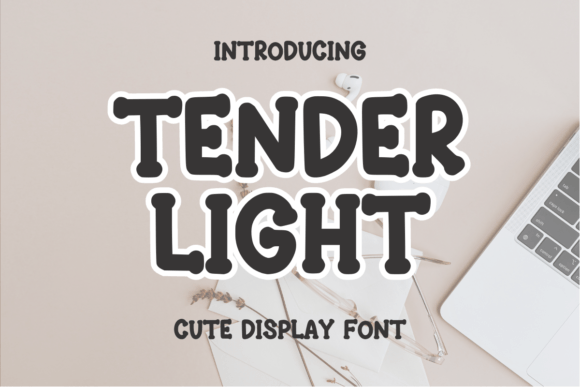
Tender Light: A Practical Guide to Integrating a Friendly Display Font into Your Design Workflow
In the realm of digital communication and visual identity, typography is rarely just about legibility; it is about tone. For professionals ranging from freelance graphic designers to small business owners building their brand voice, selecting the right typeface is a critical decision that influences how an audience perceives a message. Tender Light emerges as a distinctive solution in this crowded landscape. It is a sweet and friendly display font characterized by a natural and unique style that makes it incredibly fitting for a large pool of designs. However, simply downloading a font file is only the first step. To truly leverage the potential of Tender Light, one must understand where it fits within a broader creative process, how it interacts with other design assets, and the practical considerations required for its successful implementation.
Understanding the Role of Tender Light in Visual Strategy
Before integrating any new asset into a project, it is essential to define its function. Tender Light is not a workhorse sans-serif meant for body copy in long-form reports or technical manuals. Instead, it serves as a display font, designed to capture attention, convey warmth, and establish an immediate emotional connection. Its aesthetic suggests approachability, making it an excellent choice for brands and creators who wish to humanize their digital presence.
The "sweet and friendly" nature of the font positions it perfectly for specific use cases within a marketing or design workflow. When planning a campaign, the selection of a typeface often happens during the conceptualization phase, alongside mood board creation and color palette selection. In this stage, Tender Light acts as a tonal anchor. If a project aims to communicate care, creativity, or community—common goals for educators, lifestyle bloggers, and wellness entrepreneurs—this font provides the necessary visual shorthand. The natural curves and unique character of the letters avoid the sterile feel of geometric fonts, offering a hand-crafted quality that resonates with audiences seeking authenticity.
Furthermore, understanding the limitations of a display font is crucial for effective planning. Because Tender Light is designed for impact rather than extended reading, it should be reserved for headlines, logos, pull quotes, and short calls to action. Recognizing this boundary early in the planning process prevents common design errors, such as using the font for paragraphs of text, which can compromise readability and user experience. By defining its scope before execution, designers can ensure that the font enhances the hierarchy of information rather than cluttering it.
Integrating Tender Light into Pre-Production Planning
The integration of Tender Light begins well before the actual design work commences. During the pre-production phase, whether you are sketching concepts on paper or organizing files in a project management tool, the font choice dictates the layout structure. Because display fonts often have varying weights and distinct x-heights compared to standard typefaces, they require specific spacing considerations.
When preparing a brief or a style guide, explicitly noting the intended use of Tender Light helps align the team or stakeholders. For instance, if you are working with a copywriter, knowing that the headline font has a playful, organic shape might influence how they write the tagline. Shorter, punchier phrases often pair better with the whimsical nature of Tender Light than dense, complex sentences. This cross-functional awareness ensures that the copy and the design support one another seamlessly.
Additionally, consider the compatibility of the font with your existing brand assets. If a company already utilizes a sharp, modern sans-serif for its corporate communications, introducing Tender Light requires a deliberate strategy to maintain consistency without creating visual dissonance. In these scenarios, the font works best when used sparingly to highlight specific campaigns or sub-brands that target a more personal or intimate demographic. Testing the font against current logo marks and color schemes during the preparation phase allows for adjustments before significant time is invested in final production.
Execution: Pairing and Layout Techniques
Once the planning phase is complete and the project moves into execution, the focus shifts to how Tender Light interacts with other typographic elements. The success of a design often hinges on font pairing. Since Tender Light offers a unique, slightly irregular style, it pairs exceptionally well with neutral, highly legible sans-serifs or clean serifs. These supporting fonts provide a stable foundation that allows the personality of Tender Light to shine without overwhelming the viewer.
A practical workflow for implementation involves setting up a master template in your preferred design software. Create a paragraph style specifically for headers that applies Tender Light, ensuring consistent tracking (letter-spacing) and leading (line-height). Display fonts like this often benefit from increased letter-spacing to enhance their airy, open feel. Experimenting with different sizes is also vital; because the font is friendly and approachable, it can sometimes appear too delicate if set too small. Establishing a minimum size threshold in your style guide ensures that the font remains impactful across various platforms, from mobile screens to large format prints.
Color application is another critical factor during execution. The natural style of Tender Light complements soft pastels, earth tones, and warm gradients. However, it also maintains strong contrast against bold backgrounds. When designing for web or social media, test the font's visibility at different screen resolutions. The unique strokes of the characters must remain clear even when scaled down for thumbnails or icons. This quality control step is essential for maintaining professionalism and ensuring the message is received clearly by the end user.
Workflow Efficiency and Asset Management
For freelancers and agencies managing multiple projects simultaneously, efficiency is paramount. Integrating Tender Light smoothly into a routine requires proper asset management. Ensure that the font files are stored in a centralized, accessible location within your cloud storage or local library system. Naming conventions should be clear to distinguish between different versions or updates of the font family if available.
Furthermore, consider the licensing terms associated with the font. Whether you are purchasing a commercial license or using a free version, understanding the scope of usage is a critical part of the procurement process. For businesses, this means verifying that the license covers web embedding, app usage, and print materials as needed. Ignoring these details can lead to legal complications down the line, disrupting the project timeline and damaging professional reputation. Incorporating a license check into your standard operating procedure for new font acquisitions mitigates this risk.
Collaboration also plays a role in the workflow. When working with clients or team members who do not have the font installed, always export designs as images or PDFs with embedded fonts to preserve the visual integrity. Alternatively, provide a link to a web font service if the project involves digital collaboration tools. Clear communication regarding the font's availability ensures that everyone involved sees the project exactly as intended, reducing back-and-forth revisions caused by missing typefaces.
Long-Term Application and Brand Consistency
The value of a font like Tender Light extends beyond a single project. For small business owners and content creators, establishing a consistent visual language is key to building brand recognition over time. Once you decide to adopt Tender Light for your branding, commit to using it consistently across all touchpoints. This includes social media graphics, email newsletters, packaging, and website headers.
Consistency does not mean repetition; it means maintaining the same typographic rules and stylistic choices. Over time, the audience will begin to associate the unique look of the font with your brand values of friendliness and authenticity. However, regular audits of your design assets are necessary to ensure that the font is still being applied correctly as the brand evolves. As new marketing channels emerge, such as augmented reality experiences or interactive video content, re-evaluate how Tender Light performs in these new environments to ensure it continues to meet quality standards.
Ultimately, the limit for Tender Light is indeed your imagination, but that imagination must be guided by discipline and strategic thinking. By treating the font as a functional component of a larger workflow rather than just a decorative element, professionals can unlock its full potential. From the initial planning stages to the final execution and long-term maintenance, a structured approach ensures that this sweet and friendly display font delivers the desired outcomes: engagement, clarity, and a memorable brand impression.