Simple Dreams: A Refined Display Font for Enduring Design
In the crowded landscape of digital typography, where trends shift with dizzying speed, there is a quiet power in choosing a typeface that speaks through elegance rather than volume. Simple Dreams represents exactly this philosophy. It is not merely a font; it is a curated visual experience designed to bring a sense of calm sophistication to your most cherished projects. Whether you are crafting a luxury brand identity, designing a wedding invitation suite, or laying out a high-end editorial spread, this refined display font offers an aesthetic that feels both strikingly unique and comfortably familiar.
However, even the most beautiful tool can be misused if applied without understanding its specific strengths and limitations. Many creators approach new typefaces with a "set it and forget it" mentality, assuming that downloading a file guarantees a spectacular result. This is rarely the case. To truly harness the potential of Simple Dreams, one must look beyond the initial download and consider how its subtle curves and balanced weights interact with your specific design context. Let’s explore how to avoid common pitfalls and ensure your use of this typographic masterpiece delivers the enduring quality you expect.
Understanding the True Nature of Simple Dreams
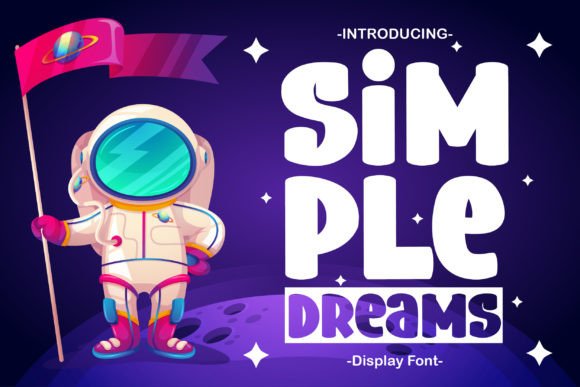
Before integrating any new font into your workflow, it is crucial to understand its classification and intended purpose. Simple Dreams is explicitly categorized as a display font. This distinction is vital because display fonts are engineered for impact at larger sizes, such as headlines, logos, and poster art, rather than for dense blocks of body text. The font’s character lies in its elegant subtlety—features like delicate serifs, varying stroke widths, and open counters that invite the eye to linger.
A common misunderstanding occurs when designers attempt to use Simple Dreams for long-form content. When stretched across multiple paragraphs in small point sizes, the intricate details that make the font stunning can become muddy or illegible on screens and print media alike. This compromises readability and undermines the professional polish you are trying to achieve. Instead, reserve Simple Dreams for moments where you want to stop the viewer in their tracks. Use it to frame your message, set the tone, and guide the reader toward the supporting text, which should ideally be paired with a clean, neutral sans-serif or serif font.
Pitfalls in Pairing and Contrast
One of the most frequent errors I see in modern design is the overcomplication of typography. Because Simple Dreams already possesses a distinct personality, pairing it with another ornate or highly stylized font often creates visual noise. The result is a design that feels chaotic rather than sophisticated, diluting the very elegance the font was meant to provide.
To avoid this, practice restraint. The best companions for Simple Dreams are usually understated workhorses that recede into the background. Think of fonts with simple geometric structures or classic humanist forms that lack decorative flourishes. For example, if you are using Simple Dreams for a headline about a boutique travel agency, pair it with a crisp, legible sans-serif for the itinerary details. This contrast allows the display font to shine without fighting for attention. Always ask yourself: does the secondary font support the primary voice, or is it competing with it? If the answer is the latter, simplify your choices.
The Importance of Kerning and Spacing
Another overlooked detail that can ruin the presentation of a refined font is poor spacing. Simple Dreams relies heavily on the relationship between its letters. Its unique aesthetic depends on precise kerning—the adjustment of space between individual characters. When default settings are used without review, certain letter combinations may appear too tight or awkwardly wide, breaking the flow of the word and distracting the viewer.
Take the time to manually adjust the spacing in your headline designs. Zoom in to 100% or higher and examine the white space between letters. Does the gap between an 'A' and an 'O' feel consistent with the rest of the line? Often, tightening the tracking slightly can create a more cohesive, luxurious look, while loosening it can add a sense of breathability and airiness. Neglecting this step can make a high-quality font look amateurish, affecting the perceived value of your entire project.
Evaluating Licensing and Usage Rights
Beyond aesthetics, a critical practical consideration is the licensing agreement associated with Simple Dreams. In the rush to start a project, many freelancers and small business owners overlook the fine print regarding usage rights. Just because a font is available for download does not mean it is free for commercial use, nor does it guarantee unlimited distribution.
Misunderstanding these terms can lead to costly legal issues or forced redesigns down the road. Before purchasing or downloading, verify whether the license covers web embedding, app integration, or merchandise printing. Some licenses restrict the number of devices or users who can access the font. If you are building a website for a client, ensure you have a valid web font license. If you are creating packaging for a product run, confirm that the license includes manufacturing rights. Taking these steps upfront protects your investment and ensures your creative aspirations are fulfilled without administrative headaches.
Testing Across Mediums and Devices
The final, and perhaps most important, step before committing to Simple Dreams is rigorous testing. A font that looks flawless on a high-resolution monitor might struggle on a mobile screen or when printed on textured paper. The "refined" nature of the font means it has thin strokes and delicate details that can vanish under low-resolution conditions or poor lighting.
Create mockups that simulate real-world scenarios. View your design on a smartphone, a tablet, and a desktop. Print a sample on the actual material you intend to use, whether it is glossy cardstock, matte paper, or fabric. Check for readability at various distances. If the text becomes difficult to read on a phone screen, consider adjusting the weight or size, or reconsidering the application entirely. This proactive approach ensures that your design stands the test of time and performs consistently across all platforms.
Conclusion: Elevating Your Creative Vision
Simple Dreams offers a rare combination of visual stunningness and enduring appeal, making it a powerful catalyst for your creative work. By avoiding the trap of overuse, respecting its classification as a display font, paying attention to spacing, and verifying your licensing, you can unlock its full potential. Remember that great design is often about what you choose not to do as much as what you do. Let this sophisticated typographic masterpiece breathe life into your projects by giving it the space and context it deserves. With careful application, you will create eye-catching designs that communicate clarity, elegance, and professionalism, fulfilling your creative aspirations with confidence.