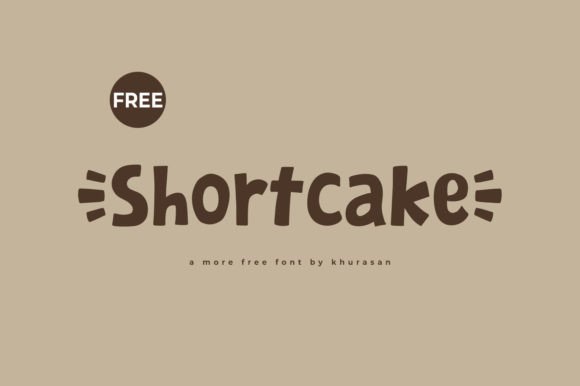
Shortcake: A Modern Display Font That Delivers When Used Right
If you are looking for a typeface that instantly communicates warmth, playfulness, and modern charm, Shortcake is likely at the top of your list. It is a display font designed to catch the eye with its rounded edges and friendly demeanor, making it a popular choice for posters, logos, magazines, book covers, and banners. However, while Shortcake is undeniably cute, treating it as a "one-size-fits-all" solution is a common pitfall that can undermine your design's professionalism. To truly leverage this font, you need to understand not just where it shines, but where it falls short if applied without strategy.
Understanding the True Nature of Shortcake
Shortcake is categorized as a display font, which means it is engineered for headlines and large-scale text rather than body copy. Its primary strength lies in its ability to evoke a sense of approachability and fun. When you see a bakery logo or a children's book cover featuring this style, the typography does the heavy lifting by setting an emotional tone before a single word is read. For entrepreneurs, marketers, and freelancers, this emotional connection is valuable. It signals that a brand is human, accessible, and perhaps a bit whimsical.
Yet, many creators mistake "cute" for "versatile." Just because a font looks good on a t-shirt mockup does not mean it will work on a legal disclaimer or a detailed product description. The distinction is crucial. Shortcake excels when it has space to breathe and when it is used to grab attention quickly. If you try to force it into roles it wasn't built for, the result often feels cluttered, unprofessional, or difficult to read.
Common Mistakes That Dilute Your Design
One of the most frequent errors I see designers make is using Shortcake for long paragraphs of text. Because of its decorative nature and varying stroke widths, reading large blocks of this typeface causes eye strain. Imagine trying to read a novel written entirely in bubble letters; the brain works harder to decode the shapes, leading to fatigue. This directly impacts user experience and communication efficiency. If your audience struggles to read your content, they will leave, regardless of how charming the font appears.
Another overlooked detail is the misuse of weight and spacing. Shortcake is naturally bold and substantial. When designers pair it with other heavy fonts or fail to adjust the letter-spacing (kerning), the design becomes visually dense. This is particularly problematic in digital marketing materials like social media banners or email headers, where screen real estate is limited. Overcrowding the text makes the message feel aggressive rather than inviting, negating the very friendliness the font was chosen to convey.
There is also the issue of context mismatch. While Shortcake is perfect for a birthday party invitation or a lifestyle blog about parenting, it can send the wrong signal in corporate finance or medical sectors. Using a playful display font for serious topics can unintentionally trivialize the subject matter, damaging trust and credibility. This isn't about the font being "bad," but rather about a misalignment between the visual language and the intended message.
How to Avoid These Pitfalls
To get the best results from Shortcake, start by defining the hierarchy of your project. Use this font exclusively for headlines, titles, or short phrases where impact is more important than volume. Pair it with a clean, neutral sans-serif or serif font for your body text. This combination creates a balanced visual rhythm; the Shortcake grabs the attention, while the secondary font ensures the information is digestible. This approach is a staple among professional graphic designers because it respects the limitations of display typography while maximizing its strengths.
Pay close attention to whitespace. Shortcake needs room to expand. Do not cram lines of text together. Increase your line height (leading) significantly when using this font to allow the curves and loops of the letters to be appreciated. In print projects like magazines or book covers, ensure there is ample margin around the text. In digital designs, consider how the font scales on mobile devices. What looks spacious on a desktop monitor might look cramped on a phone screen, so always test your designs across different viewports.
Furthermore, consider the color palette carefully. Because Shortcake has such distinct shapes, high contrast is essential for legibility. Avoid placing light-colored versions of the font against busy or similarly toned backgrounds. Instead, use solid, contrasting colors to make the letters pop. This simple adjustment can transform a muddy, confusing layout into a crisp, engaging piece of communication.
Practical Scenarios for Better Application
- Logos: Shortcake is excellent for small business logos, especially in food, fashion, or creative services. Keep the logo simple; do not add excessive effects like drop shadows or gradients that might obscure the letterforms.
- Social Media Graphics: Use Shortcake for the main hook of your post, such as "New Collection Launch!" Keep the supporting text in a standard font to maintain readability.
- Packaging: On product packaging, limit the use of Shortcake to the brand name or key selling points. Ensure regulatory text remains in a standard, legible typeface to comply with industry standards.
Evaluating Before You Download or Buy
Before committing to Shortcake for a major project, take the time to evaluate the specific file version you are acquiring. Not all downloads are created equal. Some free versions may lack necessary character sets, ligatures, or alternate glyphs that could enhance your design. If you plan to use the font internationally, check if it supports the required languages and special characters. Missing accents or symbols can halt a project mid-stream, forcing you to redesign elements or switch fonts entirely.
Additionally, review the licensing terms carefully. Many free fonts come with restrictions on commercial use. If you are a freelancer creating a logo for a client, or a business owner launching a new brand, ensure you have the right to use the font commercially. Ignoring this can lead to legal complications down the road, costing far more than the price of a proper license. Always verify that the source is reputable and that the license explicitly covers your intended application, whether it's for print, web, or merchandise.
Final Thoughts on Making It Stand Out
Shortcake is a powerful tool in your creative arsenal, capable of adding personality and warmth to your projects. But like any tool, its effectiveness depends on how well you understand its mechanics. By avoiding the trap of overuse, respecting its role as a display font, and pairing it thoughtfully with complementary typefaces, you can create designs that are both lovely and functional. Whether you are designing a magazine cover, a banner for a local event, or a logo for a startup, the key is intentionality. Choose Shortcake when you want to say something sweet, but ensure the rest of your design supports that message with clarity and precision.