Crafter Signature: A Practical Evaluation of Hybrid Typography
In the crowded landscape of digital typefaces, finding a font that balances structural integrity with organic expression is often a challenge. Crafter Signature emerges as a distinctive solution to this problem, offering a seamless fusion of the timeless appeal of serif typography and the expressive charm of script handwriting. Unlike many decorative fonts that prioritize style over readability, this typeface is crafted with meticulous attention to detail, boasting a natural, rough texture that adds an authentic, organic touch to design projects. For professionals ranging from brand strategists to independent creators, understanding the practical application and limitations of Crafter Signature is essential for leveraging its unique aesthetic effectively.
The Intersection of Structure and Flow
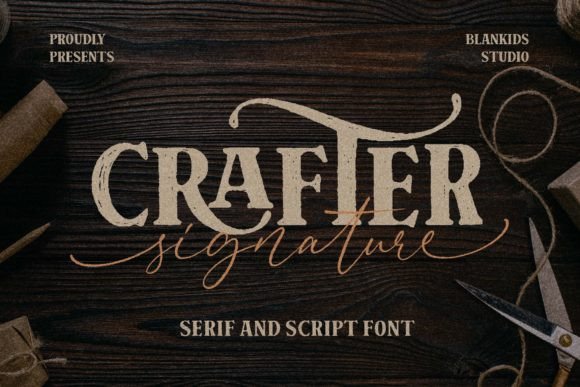
The primary value proposition of Crafter Signature lies in its hybrid nature. Traditional serif fonts offer authority and legibility, while script fonts provide personality and movement. Combining these two distinct styles often results in visual dissonance; however, this typeface manages to harmonize structured serifs with fluid script elements. The result is a versatile tool that does not force the designer to choose between professionalism and creativity.
Born from hand-drawn sketches and transformed into a digital format, the font retains the imperfections that give it character. This "rough texture" is not merely a stylistic overlay but a fundamental aspect of its design language. It mimics the tactile quality of ink on paper or a marker on a whiteboard, creating an immediate sense of authenticity. In an era where digital perfection can feel sterile, this organic quality allows brands to communicate warmth and human connection without sacrificing the clarity required for effective communication.
Key Characteristics and Design Intent
To evaluate whether Crafter Signature fits a specific workflow, one must examine its core characteristics. The font is defined by three main attributes: texture, weight variation, and ligature support.
- Natural Texture: The edges of the glyphs are intentionally irregular, simulating the friction of writing instruments. This prevents the text from appearing too vector-sharp, which can be jarring in certain contexts.
- Weight Variation: The transition between thick and thin strokes follows the rhythm of actual handwriting, providing dynamic contrast that guides the eye through the text.
- Structural Serifs: Despite the script influence, the foundational structure remains rooted in serif traditions, ensuring that the characters remain recognizable even at smaller sizes.
This combination makes the font particularly suitable for headlines, logos, and short-form copy. However, like most display scripts, it is not intended for large blocks of body text. The intricate details and variable stroke widths can reduce legibility if used in paragraphs exceeding a few sentences. Therefore, its practical value is highest when used as an accent or focal point within a layout.
Real-World Applications and Performance
The versatility of Crafter Signature becomes evident when applied to real-world scenarios. Its performance varies depending on the medium and the scale of the project.
Brand Identity and Logos
For entrepreneurs and small business owners looking to establish a memorable identity, this font offers a significant advantage. A logo requires both distinctiveness and scalability. The rough texture of Crafter Signature helps a brand stand out in a saturated market, signaling craftsmanship and attention to detail. It works exceptionally well for industries such as artisanal food and beverage, boutique fashion, creative agencies, and lifestyle blogs. The personal flair inherent in the design suggests a narrative of handmade quality, which resonates strongly with modern consumers who value authenticity.
Packaging and Product Labels
In the realm of packaging, the font's ability to convey a premium yet approachable vibe is invaluable. Whether designing a wine label, a cosmetic jar, or a specialty coffee bag, the typeface elevates the product presentation. The organic texture pairs naturally with materials like kraft paper, matte finishes, and embossed foil. When used on packaging, Crafter Signature transforms a standard container into a storytelling device, hinting at the care taken in the product's creation.
Marketing Materials and Posters
For marketers and event planners, the font serves as an excellent choice for eye-catching posters and social media graphics. Its high contrast and expressive nature draw attention quickly. In digital advertising, where users scroll rapidly, the unique silhouette of the letters can stop the scroll. However, designers must consider the background contrast; the rough edges require a clean backdrop to ensure the texture does not get lost against busy patterns.
Usability and Technical Considerations
While the aesthetic appeal is clear, the technical usability of Crafter Signature is equally important for professional workflows. The font is designed to be integrated seamlessly into standard design software, including Adobe Creative Cloud and Canva. Its file structure supports standard OpenType features, allowing for kerning adjustments and stylistic alternates where applicable.
One practical consideration is the rendering of the texture across different devices. On high-resolution screens, the rough edges appear crisp and intentional. However, on lower-resolution mobile displays or when scaled down significantly for web favicons, the texture may blur or pixelate. Designers should test the font at various sizes before finalizing a campaign to ensure the texture remains an asset rather than a liability. Additionally, while the font includes a robust set of characters, it may lack extensive language support compared to standard sans-serif families. Users working with non-Latin scripts should verify compatibility before committing to a multilingual project.
Who Benefits Most from This Typeface?
Crafter Signature is not a one-size-fits-all solution. Its specific aesthetic dictates a particular audience fit. The following groups will find the most value in integrating this font into their toolkit:
- Freelance Graphic Designers: Those seeking a signature look for client branding projects that need to feel bespoke.
- Small Business Owners: Entrepreneurs in niche markets who need to differentiate themselves from corporate competitors.
- Content Creators and Bloggers: Individuals producing visual content for platforms like Instagram or Pinterest where visual hierarchy and mood are paramount.
- Event Planners: Professionals designing invitations and signage for weddings, workshops, or gallery openings.
Conversely, this font may not be suitable for industries requiring strict adherence to corporate minimalism or high-tech precision, such as medical reporting, legal documentation, or software interface design. In those contexts, the informal nature of the script could undermine the perceived reliability of the message.
Strategic Recommendations for Implementation
To maximize the effectiveness of Crafter Signature, it is crucial to pair it correctly with other typographic elements. Because the font is inherently dominant and textured, it pairs best with clean, neutral sans-serif fonts for body copy. This contrast ensures that the headline grabs attention while the supporting text remains easily readable. Avoid pairing it with other decorative or script fonts, as this creates visual competition and reduces overall impact.
Furthermore, whitespace is a critical component when using this typeface. The rough edges create a lot of visual noise, so generous padding around the text allows the design to breathe. Overcrowding the layout can make the texture feel chaotic rather than organic. Finally, consider the color palette. While black and white work well, earth tones, muted pastels, and metallic accents often enhance the "handcrafted" feel of the font.
Long-Term Value and Limitations
Investing time in mastering Crafter Signature offers long-term value for creatives looking to build a cohesive portfolio. Its unique blend of styles ensures that designs do not look generic or template-based. However, like any trend-driven or highly stylized font, there is a risk of overuse. If every brand in a specific niche adopts similar textured scripts, the distinctiveness diminishes. To maintain relevance, designers should use the font strategically, reserving it for key moments in the brand journey rather than applying it indiscriminately.
Ultimately, Crafter Signature represents a thoughtful evolution in display typography. It acknowledges the growing consumer desire for authenticity while maintaining the structural discipline necessary for professional design. By understanding its strengths, limitations, and ideal applications, designers and business owners can leverage this tool to create work that stands out with sophistication and genuine creativity. Whether crafting a compelling poster or defining a new brand identity, this font provides the perfect balance of structure and soul.