Evaluating Movizt: A Practical Guide to Blackletter Typography
In the realm of digital typography, few styles command attention as immediately or as controversially as Blackletter. While often associated with historical manuscripts and gothic aesthetics, modern interpretations have found a place in contemporary branding, event design, and editorial work. Movizt is one such typeface that attempts to bridge the gap between ancient charm and modern utility. For designers and creators aged 20 to 50 who are weighing their options for a project requiring sophistication and mystery, understanding where Movizt fits within the broader landscape of typographic choices is essential.
This evaluation explores the distinct characteristics of Movizt, compares it against other stylistic categories, and outlines the specific scenarios where this font excels or falls short. The goal is not to simply promote a product, but to provide a clear framework for deciding if Movizt aligns with your specific design objectives.
The Distinctive Character of Movizt
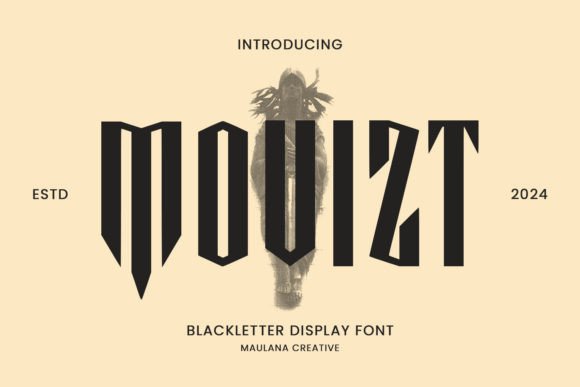
Movizt distinguishes itself through its bold and stylish execution of the Blackletter tradition. Unlike some modern revivals that soften the edges of traditional gothic scripts to make them more legible on low-resolution screens, Movizt retains the sharp contrast and angular strokes that define the genre. Each letter carries a sense of weight and history, designed to evoke an atmosphere of timelessness.
The font's architecture relies heavily on vertical stress and dense ink traps, which are characteristic of hand-carved wooden type. This gives text set in Movizt a textured, almost tactile quality even when viewed digitally. The unique curvature of the terminals and the exaggerated thickness of the downstrokes create a visual rhythm that is difficult to replicate with standard serif or sans-serif families. When used correctly, Movizt does not just display words; it frames them with an air of exclusivity and gravitas.
However, this distinctiveness comes with inherent constraints. The very features that make Movizt stand out—its density and complexity—also limit its versatility. It is a font designed for impact rather than endurance. Readers may find themselves pausing to decipher long paragraphs, which is why Movizt is best evaluated as a display typeface rather than a body text solution.
Comparing Movizt to Other Typographic Categories
When selecting a typeface, the decision often involves comparing different categories based on the intended message. Movizt sits firmly in the decorative display category, but how does it compare to other popular alternatives?
Movizt vs. Modern Serifs
Modern serifs like Garamond or Baskerville offer elegance and readability. They are the standard choice for books, articles, and corporate communications where clarity is paramount. In contrast, Movizt sacrifices immediate readability for atmospheric depth. If your project requires the audience to absorb large amounts of information quickly, a traditional serif is the superior choice. Movizt, however, wins when the goal is to arrest the viewer's attention instantly. It creates a "stop-and-look" effect that a neutral serif cannot achieve.
Movizt vs. Script and Handwritten Fonts
Script fonts mimic handwriting and often convey warmth, approachability, or personal flair. Movizt conveys the opposite: authority, structure, and formality. While a script font might be appropriate for a wedding invitation seeking a romantic feel, Movizt is better suited for events or brands that wish to project power, heritage, or a mysterious edge. The trade-off here is between intimacy and intimidation; Movizt leans toward the latter, creating a distance that can enhance perceived value or exclusivity.
Movizt vs. Minimalist Sans-Serifs
In the era of flat design, minimalist sans-serifs dominate interfaces and tech branding. These fonts prioritize neutrality and function. Introducing Movizt into a design system dominated by sans-serifs creates a striking juxtaposition. This contrast can be powerful for headlines or logos, breaking the monotony of clean lines. However, using Movizt throughout a user interface would likely result in poor usability. The comparison highlights that Movizt is an accent tool, not a foundational one.
Strengths and Tradeoffs in Design Application
Every typeface has a specific set of strengths and limitations. Understanding these tradeoffs is crucial for making an informed decision about whether Movizt is the right resource for your project.
- Visual Impact: The primary strength of Movizt is its ability to dominate a layout. Its bold strokes ensure that headlines and logos remain visible even at smaller sizes or from a distance.
- Atmospheric Depth: Movizt adds a layer of narrative to a design without needing additional imagery. It suggests history, craftsmanship, and mystery, which can be invaluable for storytelling.
- Legibility Constraints: The most significant tradeoff is legibility. The intricate details of the Blackletter style can blur together at small point sizes or on low-quality displays. It is generally unsuitable for body copy or detailed instructions.
- Context Sensitivity: Because of its strong associations with specific eras and subcultures, Movizt can sometimes feel out of place in modern, sterile, or highly technical contexts. It requires careful pairing with other design elements to avoid looking dated or clichéd.
Ideal Use Cases for Movizt
Determining the right fit for Movizt involves analyzing the context of the project. There are specific situations where this font is the optimal choice, and others where it should be avoided.
Posters and Event Invitations
Movizt shines in environments where the text serves as the primary visual element. For concert posters, gala invitations, or festival announcements, the font's dramatic flair enhances the excitement and importance of the event. It sets a tone before the viewer even reads the details. The unique Blackletter design ensures that the event feels curated and exclusive, distinguishing it from generic, mass-market promotions.
Logos and Brand Identity
For brands that want to communicate heritage, luxury, or a rebellious spirit, Movizt offers a compelling option. It works particularly well for industries like craft brewing, high-end fashion, boutique law firms, or entertainment venues. A logo utilizing Movizt can instantly signal a departure from the mainstream, appealing to a niche audience that values distinctiveness over accessibility.
Editorial Headlines
In magazine layouts or digital articles focusing on history, culture, or mystery, Movizt can serve as a powerful headline font. It draws the eye and sets the thematic stage for the content below. However, it must be paired with a highly readable sans-serif or serif for the body text to maintain a balanced hierarchy.
When to Choose Alternatives
Despite its aesthetic appeal, Movizt is not a universal solution. There are several scenarios where choosing an alternative is the more professional and practical decision.
If the project prioritizes accessibility, Movizt should likely be avoided. Users with visual impairments or dyslexia may struggle significantly with the complex shapes and tight spacing of Blackletter fonts. Inclusive design practices often call for cleaner, more open typefaces that reduce cognitive load. Similarly, for user interfaces (UI) or mobile applications where screen real estate is limited and scanning speed is critical, the density of Movizt can hinder navigation.
Furthermore, if the brand identity relies on transparency, friendliness, or modern innovation, Movizt may send mixed signals. Its heavy, archaic feel can clash with messages of simplicity or future-forward thinking. In these cases, a geometric sans-serif or a humanist serif would likely resonate better with the target audience.
Decision Factors for Implementation
Before integrating Movizt into a project, consider the following factors to ensure it supports your goals effectively:
- Readability Requirements: Will the text be read for long durations? If yes, choose a different font. If it is for quick recognition, Movizt is viable.
- Brand Alignment: Does the "ancient charm" of Movizt align with the brand's core values? Ensure the aesthetic supports the message rather than distracting from it.
- Pairing Strategy: Plan how Movizt will interact with other typefaces. It pairs best with simple, neutral fonts that allow its details to breathe without competition.
- Medium Constraints: Consider where the design will live. High-resolution print allows Movizt to show off its detail, whereas small digital icons may obscure it.
Ultimately, Movizt is a specialized tool in the designer's toolkit. It offers a bold, stylish path for those willing to embrace its complexities. By understanding its strengths, limitations, and comparative position against other typographic options, you can make a confident decision about whether this timeless font is the right choice for your next creative endeavor.