Evaluating Beach Bamboo: A Practical Guide to a Playful Bamboo-Themed Typeface
In the realm of digital typography, finding a font that balances whimsy with readability is often a challenge. Designers frequently encounter scripts that are too illegible for body text or display fonts that lack character for branding. Beach Bamboo enters this space as a distinct option, offering a fun and playful bamboo-themed aesthetic designed to bring a casual touch to various creative projects. Whether you are conceptualizing a logo for a tropical resort, designing packaging for organic snacks, or creating a menu for a seaside café, understanding where this typeface fits within your workflow is essential.
This evaluation explores the specific characteristics of Beach Bamboo, comparing its utility against broader categories of decorative fonts. The goal is to provide a clear picture of its strengths, limitations, and ideal applications, helping you determine if it aligns with your design objectives without relying on hype.
The Distinctive Character of Beach Bamboo
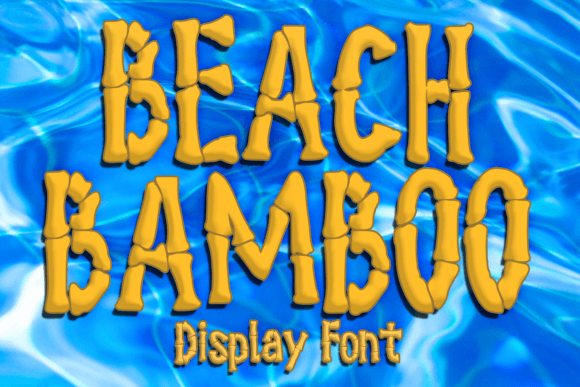
At its core, Beach Bamboo is defined by its organic structure. Unlike geometric sans-serifs or rigid serifs, this font mimics the natural curves and segmented nodes of bamboo stalks. The letterforms are constructed with varying stroke widths and gentle undulations that evoke a sense of movement and nature. This thematic consistency makes it immediately recognizable as a "tropical" or "eco-friendly" style choice.
What sets Beach Bamboo apart from generic script fonts is its structural integrity. Many playful fonts sacrifice legibility for style, resulting in characters that are difficult to parse at smaller sizes. Beach Bamboo maintains a relatively open counter space and distinct character shapes, allowing it to remain readable even when used for short phrases or headlines. The "bamboo" motif is subtle enough not to overwhelm the message but prominent enough to establish a clear visual identity.
For designers looking to convey a relaxed, vacation-like atmosphere, the font's inherent warmth is a significant asset. It avoids the sharp edges often found in modernist designs, opting instead for rounded terminals and soft connections. This makes it particularly effective for brands that want to appear approachable, sustainable, or connected to nature.
Comparing Styles: Where Beach Bamboo Fits
To understand the value of Beach Bamboo, it is helpful to compare it with other common typographic categories used for similar purposes. When evaluating alternatives, designers often look at hand-drawn scripts, brush calligraphy, and rustic wood-type styles.
- Hand-Drawn Scripts: These fonts often feature high variability and irregularity, simulating actual handwriting. While they offer a personal touch, they can be inconsistent across different characters. Beach Bamboo provides a more uniform appearance while retaining an organic feel, making it safer for professional applications like packaging where consistency is key.
- Brush Calligraphy: Brush fonts typically rely on thick and thin strokes created by simulated brush pressure. They are excellent for dramatic headlines but can become muddy at small sizes. Beach Bamboo uses a cleaner line weight, which generally translates better to print materials like stickers or business cards where fine details might get lost.
- Rustic Wood-Type: Fonts in this category often mimic old printing blocks with distressed textures. While they share a vintage vibe, they can sometimes appear dated or overly rugged. Beach Bamboo offers a fresher, more contemporary take on the natural theme, suitable for modern eco-brands rather than strictly retro aesthetics.
When compared to these alternatives, Beach Bamboo occupies a middle ground. It is more structured than a loose sketch font but more characterful than a standard serif. This balance makes it a versatile tool for designers who need a specific mood without sacrificing clarity.
Ideal Use Cases and Practical Applications
The versatility of Beach Bamboo allows it to function well across a wide range of media. However, its effectiveness depends heavily on the context. Below are scenarios where this font excels, along with practical examples of how it performs.
Apparel and Merchandise
T-shirt designs often require bold, legible graphics that communicate a vibe instantly. Beach Bamboo works exceptionally well here because its playful nature complements casual wear. Imagine a surf shop t-shirt featuring the brand name in this font; the bamboo aesthetic reinforces the outdoor, coastal lifestyle associated with the product. Similarly, for tote bags or hats, the font's rounded forms ensure the text remains visible even when printed on textured fabrics.
Packaging and Product Labels
For food and beverage products, particularly those emphasizing natural ingredients, Beach Bamboo serves as an effective visual cue. A label for coconut water, herbal tea, or bamboo toothbrushes would benefit from the font's thematic alignment. It suggests sustainability and freshness without needing excessive imagery. In contrast to a stark, corporate font, Beach Bamboo invites the consumer to engage with the product on a sensory level.
Printed Materials and Stationery
Greeting cards, posters, and book covers also find a strong match in this typeface. For a children's book about jungle animals, the font adds a layer of storytelling before the reader even opens the cover. On greeting cards, it conveys a warm, friendly sentiment suitable for birthdays or thank-you notes. Its ability to stand out as a headline font means it draws attention effectively on posters, guiding the viewer's eye to the most important information.
Tradeoffs and Limitations to Consider
While Beach Bamboo offers significant advantages for specific niches, it is not a universal solution. Understanding its limitations is crucial for making an informed decision. One primary tradeoff is the scope of its application. Because the font is so thematically specific, it may feel out of place in contexts requiring formality, authority, or minimalism.
For instance, using Beach Bamboo for a financial report, a legal document, or a high-tech software interface would likely create a cognitive dissonance. The playful, organic nature of the letters contradicts the precision and seriousness expected in these fields. Additionally, while the font is legible for headlines and short copy, it may not be the best choice for long paragraphs of body text. The unique character shapes can cause eye strain over extended reading periods, making it less efficient for content-heavy layouts.
Another consideration is the potential for overuse. Because bamboo and tropical themes are popular in certain industries, there is a risk of the design feeling cliché if not paired with thoughtful color palettes and layout choices. To avoid this, designers should use Beach Bamboo as an accent or headline element rather than the sole focus of the design.
Decision Factors: Choosing the Right Tool
When deciding whether to incorporate Beach Bamboo into a project, consider the following factors to ensure it meets your needs:
- Brand Personality: Does your brand aim to be relaxed, natural, and fun? If yes, Beach Bamboo aligns well. If your brand is serious, luxury-oriented, or industrial, look elsewhere.
- Audience Expectations: Will your target audience appreciate a casual, whimsical tone? For younger demographics or leisure-focused consumers, the font is a strong fit. For corporate clients or older demographics expecting traditional design, it may be too informal.
- Medium and Scale: Are you using the font for large headlines or small labels? Beach Bamboo scales reasonably well, but always test it at the intended size to ensure the bamboo details do not blur or disappear.
- Complementary Elements: Can you pair this font with other elements that enhance its theme? Using it alongside earth tones, leaf patterns, or watercolor textures will amplify its effect, whereas pairing it with neon colors or metallic finishes might create a clash.
If your project requires a font that can handle both body text and headlines without losing its charm, you might need to explore alternative options that offer more weight variations or a more neutral style. However, if your goal is to create a memorable, thematic impression quickly, Beach Bamboo is a robust choice.
Conclusion on Versatility and Fit
Beach Bamboo stands out as a specialized yet highly functional resource for designers seeking a playful, nature-inspired aesthetic. Its ability to bridge the gap between decorative flair and readability makes it a valuable addition to any toolkit focused on lifestyle, travel, food, or eco-conscious branding. By understanding its strengths in areas like t-shirts, packaging, and greeting cards, and recognizing its limitations in formal or text-heavy environments, you can leverage its unique style effectively.
Ultimately, the decision to use Beach Bamboo should come down to the specific narrative you wish to tell. If that story involves relaxation, nature, and a touch of whimsy, this font provides the perfect visual language. For projects demanding strict professionalism or neutrality, other options may serve better. As with any design choice, testing the font in context is the only way to confirm it delivers the desired impact for your specific audience.