Evaluating Majawa: A Practical Guide to This Retro Display Typeface
In the landscape of digital and print design, selecting the right typeface is often the difference between a message that resonates and one that falls flat. Majawa has emerged as a compelling option for designers seeking to inject vibrant energy and nostalgic charm into their projects. As a fun, retro display font, it offers bold, playful shapes that evoke a specific era of graphic design without feeling dated. However, like any specialized tool, it serves best when applied with an understanding of its strengths, limitations, and how it compares to other typographic approaches available in the market.
For professionals and enthusiasts alike, the decision to adopt Majawa requires a balanced evaluation. It is not merely about finding a font that looks "retro"; it is about determining whether its specific stylistic attributes align with the functional requirements of a project. This analysis explores what makes Majawa distinct, where it fits within the broader category of vintage-inspired typefaces, and how to determine if it is the right choice for your next branding or layout initiative.
The Distinctive Character of Majawa
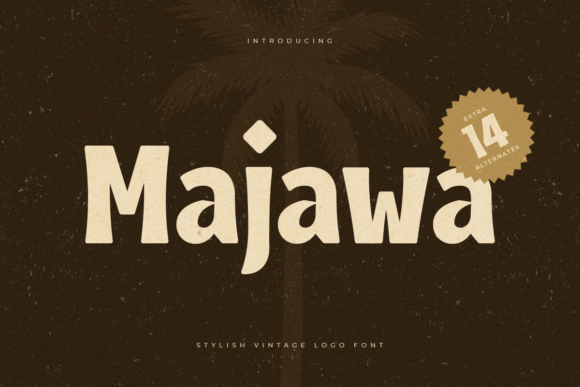
Majawa is defined by its ability to bridge the gap between whimsy and readability within a display context. Unlike standard serif or sans-serif fonts designed for body text, Majawa operates primarily as a headline or display solution. Its construction features exaggerated curves, thick strokes, and a slight irregularity that mimics hand-lettered signage from the mid-20th century. These elements combine to create a visual texture that feels tactile and lively.
What sets Majawa apart from generic retro fonts is its vibrancy. Many vintage-style typefaces lean heavily into the distressed or weathered aesthetic, which can sometimes compromise legibility or feel overly thematic. Majawa, conversely, maintains a clean, crisp edge while retaining the spirit of nostalgia. The bold shapes ensure that even at smaller sizes, the characters remain distinct, though they are optimized for larger applications. This balance allows the font to bring a joyful tone to designs without sacrificing structural integrity.
The versatility of Majawa lies in its adaptability across different mediums. Whether used for a digital social media banner or a physical poster, the font retains its impact. The vintage-inspired style is not just a superficial skin; it is embedded in the geometry of the letters, making it suitable for projects that require a sense of history mixed with modern energy.
Comparing Majawa to Other Retro and Display Options
When evaluating Majawa, it is helpful to place it within the context of similar typographic categories. The market is saturated with fonts labeled as "retro," "vintage," or "display," but these terms cover a wide spectrum of styles. Some fonts mimic the Art Deco movement with sharp angles and geometric precision, while others emulate the psychedelic swirls of the 1960s or the grunge textures of the 1990s.
Compared to highly stylized psychedelic fonts, Majawa offers greater clarity. While those alternatives excel at creating atmosphere, they often struggle with readability when the audience needs to process information quickly. Majawa strikes a middle ground, offering enough character to be eye-catching but maintaining enough structure to be understood instantly. For instance, in a busy festival lineup poster, a highly abstract font might obscure the band names, whereas Majawa's bold shapes would stand out clearly against complex backgrounds.
Furthermore, when compared to more serious, traditional slab serifs often used in vintage advertising, Majawa introduces a layer of playfulness. Traditional slab serifs convey authority and stability, which is excellent for heritage brands or formal announcements. However, if the goal is to communicate joy, celebration, or a casual brand personality, Majawa provides a warmer, more inviting alternative. It avoids the rigidity of strict grid-based typography, opting instead for a slightly looser, more organic rhythm that feels human-made.
Tradeoffs in Style and Legibility
Every design choice involves tradeoffs, and Majawa is no exception. The very features that make it distinctive—its boldness and decorative flair—also dictate its limitations. Because Majawa is a display font, it is not intended for long-form body copy. Using it for paragraphs of text would likely result in visual fatigue for the reader due to the high density of ink and the irregular spacing required to maintain its aesthetic.
Designers must also consider the color palette and background complexity. Majawa works best when given room to breathe. In low-contrast environments or on extremely busy patterns, the intricate details of the letterforms may get lost. In contrast, simpler sans-serif fonts might perform better in those constrained conditions. Therefore, while Majawa is powerful for headlines and short phrases, it should be paired with a neutral, highly legible companion font for supporting text.
Ideal Use Cases for Majawa
Understanding where Majawa excels is crucial for maximizing its potential. Its primary strength lies in applications that demand immediate attention and a specific emotional response. Eye-catching posters are perhaps the most natural fit for this typeface. Whether promoting a local concert, a community event, or a pop-up shop, Majawa's energetic vibe captures the essence of excitement and invites participation.
Lively branding is another area where Majawa shines. Brands targeting younger demographics or those aiming to rebrand themselves as more approachable and fun often benefit from this style. Consider a coffee shop that wants to emphasize a cozy, neighborhood feel rather than a corporate chain identity, or a toy company looking to highlight creativity and play. In these scenarios, Majawa acts as a visual shorthand for the brand's values.
Additionally, joyful invitations are a perfect medium for this font. Wedding invitations, birthday parties, and anniversary celebrations often require a tone that is both celebratory and personal. Majawa adds a delightful touch of retro fun that elevates the invitation beyond a standard template, giving guests a preview of the event's atmosphere before they even arrive.
Decision Factors: When to Choose Alternatives
While Majawa is a versatile asset, there are situations where other options may be more appropriate. If a project requires a minimalist, ultra-modern aesthetic, the ornate nature of Majawa might clash with the design language. Similarly, for industries that prioritize trust, security, and formality—such as legal services, medical reports, or financial planning—a playful retro font could undermine the message of professionalism.
Readers should also evaluate the longevity of their design. Trends in typography shift over time. While retro styles have a cyclical appeal, a design that leans too heavily into a specific decade's look might date quickly if not executed carefully. If the goal is timeless neutrality, a classic serif or a robust geometric sans-serif might offer better staying power. Majawa is best reserved for projects where the retro theme is intentional and central to the concept.
Another consideration is accessibility. For audiences with visual impairments, the decorative elements of display fonts can sometimes reduce legibility. If a project has strict accessibility guidelines or targets a broad demographic including older adults, it is essential to test Majawa against accessibility standards or consider using it sparingly alongside more accessible typefaces.
Integrating Majawa into Your Workflow
Once the decision is made to use Majawa, successful integration depends on thoughtful pairing and spacing. Because the font is bold and heavy, it benefits from generous leading (line spacing) and tracking (letter spacing). Crowding the letters can make the design feel cluttered and diminish the font's inherent charm. Allowing the shapes to expand creates a sense of luxury and confidence.
Pairing Majawa with a simple, unobtrusive font for body text is a strategic move. A clean sans-serif like Helvetica, Roboto, or Open Sans provides the necessary contrast, allowing Majawa to dominate the hierarchy without competing for attention. This combination ensures that the viewer's eye is drawn first to the headline, then flows smoothly into the informational content.
Finally, experimentation with color is key. Majawa's retro roots lend themselves well to warm, saturated palettes—think mustard yellows, burnt oranges, and deep teals. However, it can also work effectively in monochrome settings, where the shape of the letters becomes the sole focus. Testing the font in various contexts before finalizing a design will reveal its full potential and help avoid common pitfalls associated with display typography.
In conclusion, Majawa offers a unique blend of nostalgia and modern utility. It is a powerful tool for designers who need to communicate energy, joy, and a connection to the past. By understanding its specific characteristics, comparing it thoughtfully to alternatives, and recognizing its limitations, you can make an informed decision about whether it fits your project's needs. Used correctly, Majawa transforms ordinary designs into memorable experiences, proving that the right typeface can indeed speak volumes.